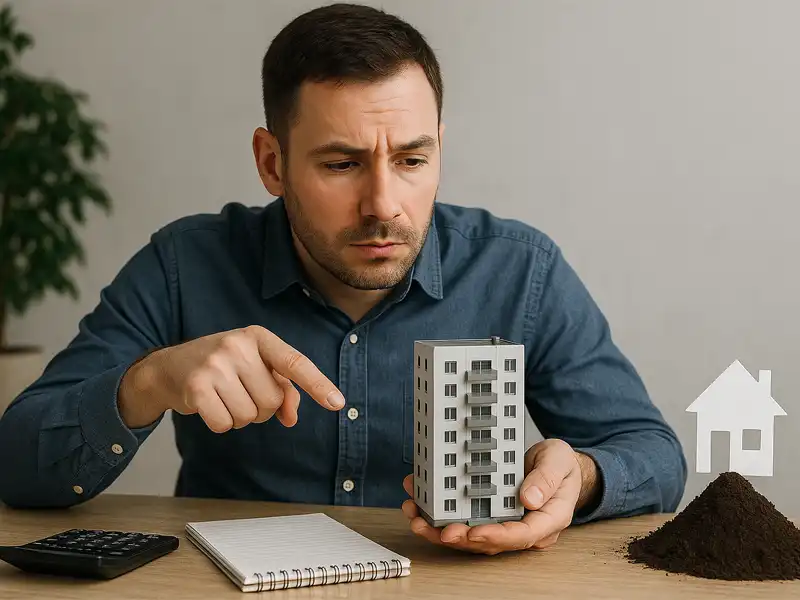
For years, Mr. Subhas Dutta, a 52-year-old resident of North Kolkata, prided himself on being a cautious investor. He never believed in the unpredictability of the stock market, mutual funds, or any other “modern” investment ideas his colleagues often discussed over tea.
His philosophy was simple — invest in what you can see and touch.
For him, that meant gold and land. Over the years, he had bought a few small plots on the outskirts of the city, convinced that land could never go wrong. But one evening, during a family dinner, his son Rohan — a young IT professional — began a conversation that would challenge his long-held beliefs.
“Baba,” Rohan began, “you always say land is the safest investment. But have you thought about how practical it is today?”
Subhas looked up from his plate. “Of course, I have. You can see it, it appreciates over time, and no builder can take it away.”
Rohan smiled. “True, but times have changed. Let’s look at both sides.”
Rohan explained that while buying land sounds appealing, it often comes with hidden challenges.
Subhas sighed. He had experienced some of these issues firsthand — one of his plots in Rajarhat had been stuck in legal paperwork for years.
Rohan continued, “Now, look at flats — especially in well-developed projects in areas like Madhyamgram, New Town, or EM Bypass.”
He listed the benefits one by one:
Rohan concluded, “Baba, land is like gold — it just sits there. A flat, on the other hand, grows with time and gives back regularly. It’s safer, easier, and more rewarding — especially in a city like Kolkata, where real estate demand is rising.”
Subhas nodded thoughtfully. For the first time, he realized that investing isn’t just about tradition — it’s about adapting to what works in the present.
A few weeks later, he and Rohan visited a residential project in Madhyamgram — modern, well-connected, and full of families just like theirs. Standing on the balcony of a sample flat overlooking the city lights, Subhas smiled and said, “Maybe it’s time I let my money work a little smarter.”
While land will always hold emotional and cultural value, flats offer a more balanced, low-risk, and income-generating investment option — especially for those seeking both security and returns.
For conservative investors like Subhas, it’s not about abandoning tradition — it’s about evolving it. Because in today’s world, the smarter way to invest in real estate isn’t just about owning property; it’s about owning a home that earns, grows, and secures the future.

